
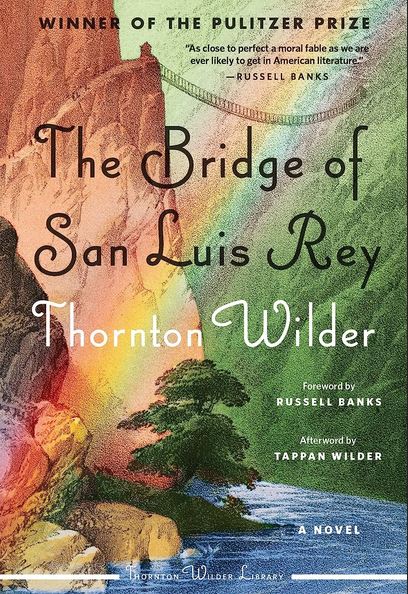
Thornton Wilder’s “The Bridge of San Luis Rey” is a captivating and thought-provoking exploration of fate, human connections, and the intricate web of lives that intersect in unexpected ways. Set in 18th-century Peru, the novel centers around the tragic collapse of a bridge and the lives of those who were on it at the time. Through its diverse cast of characters, philosophical inquiries, and evocative narrative, the book delves into the timeless themes of love, loss, and the inexplicable workings of destiny.
The Historical Setting: Published in 1927, “The Bridge of San Luis Rey” transports readers to colonial Peru, where the cultural and societal landscape is rich with religious fervor, colonial influence, and the clash of indigenous beliefs and Spanish colonization. This historical context provides a backdrop for the characters’ diverse backgrounds and beliefs, shaping their motivations and interactions.
Major Characters:
- Brother Juniper: A Franciscan monk and scholar, Brother Juniper is intrigued by the collapse of the bridge and embarks on a mission to uncover the divine reasons behind the tragedy. His pursuit of understanding sets the narrative in motion.
- Doña María: A devout and wealthy woman who loses her daughter in the bridge collapse, Doña María grapples with grief and a desperate search for meaning in the face of tragedy.
- Pepita: Doña María’s orphaned young maid, Pepita’s devotion and loyalty to her employer reveal the complex dynamics of social class and personal relationships.
- Esteban: A twin brother of Manuel, Esteban is considered a tragic figure due to his physical deformities. His unwavering love for his twin shapes his life’s course and underscores the novel’s themes of connection and empathy.
- Uncle Pio: A charming and mischievous actor, Uncle Pio’s relationships with Doña María and her daughter add layers of intrigue and depth to the narrative.
Minor Characters:
- Camila Perichole: A renowned actress and singer, Camila’s tumultuous relationship with Uncle Pio and her connection to the other characters highlight the impact of fame and personal choices.
- Manuel: The twin brother of Esteban, Manuel’s adventurous spirit leads him to embrace life to the fullest, making his sudden death in the bridge collapse all the more poignant.
Interwoven Lives and Themes: “The Bridge of San Luis Rey” is a tapestry of interconnected lives, with each character representing different aspects of the human experience. The collapse of the bridge acts as a catalyst that prompts the philosophical exploration of fate and the larger questions of divine intervention versus chance. Brother Juniper’s quest to find a rational explanation for the tragedy highlights humanity’s inherent need to comprehend the incomprehensible.
The characters’ diverse backgrounds and beliefs serve as windows into the complexities of human nature. Doña María’s grief, Esteban’s resilience, and Uncle Pio’s enigmatic charm contribute to the novel’s emotional depth. The interactions between characters reveal the power of empathy and the unexpected ways in which lives can intertwine, often with profound consequences.
Conclusion: “The Bridge of San Luis Rey” is a literary masterpiece that delves into the depths of human emotion, the enigma of fate, and the intricate connections that bind individuals together. Through its philosophical inquiries, evocative prose, and richly drawn characters, the novel resonates with readers across time and cultures.
Wilder’s exploration of the impact of tragedy on different lives is a poignant reminder of the fragile nature of existence and the importance of cherishing human connections. The novel’s themes of love, loss, and the mysteries of destiny continue to captivate readers, encouraging them to reflect on their own lives and the ways in which they are connected to others.
In conclusion, “The Bridge of San Luis Rey” is a testament to Thornton Wilder’s storytelling prowess and his ability to capture the essence of the human experience. With its timeless themes and beautifully crafted narrative, the novel remains a powerful exploration of the threads that bind us together, even in the face of inexplicable tragedy.